
Local Area Guides
The Hermes Edit: An Honest Guide to Kingston upon Thames
Kingston upon Thames is the kind of place that takes a moment to explain to people who haven’t been. It’s technically part of Greater London — a Royal Borough, with all the historical weight that implies — but it doesn’t feel like London in the way that most London neighbourhoods feel like London. It feels like a river town that happens to have fast trains into Waterloo, which is, in fact, exactly what it is. Staying at The Hermes Hotel on Portsmouth Road puts you at the point where Kingston’s riverside character is most concentrated: a Grade II listed building with 17th-century origins, landscaped gardens on the Thames, and Hampton Court Palace a short drive away. Here’s the rest of the area, honestly.
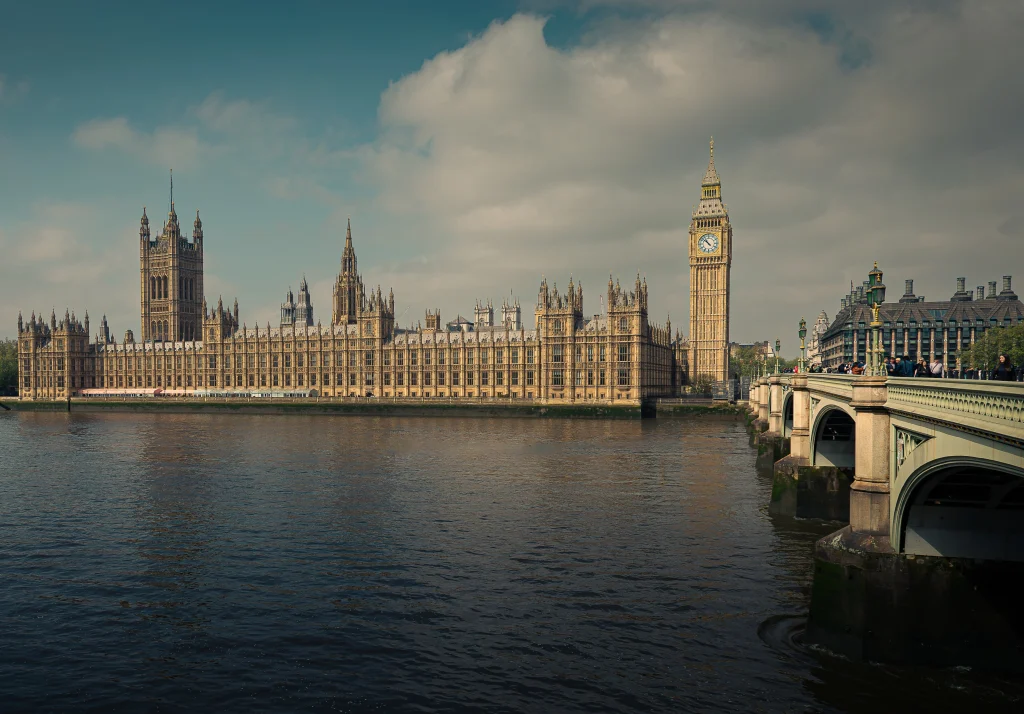
The name, and what it means
Kingston derives from Cyninges tun — the king’s estate in Old English — and the town’s relationship with English royalty is not merely historical decoration. Between 900 and 978 AD, seven Anglo-Saxon kings were crowned here on the Coronation Stone, which still sits in the town centre: Athelstan (the first King of England), Edmund I, and Ethelred the Unready among them. It’s the kind of historical footnote that makes a morning walk into town feel different once you know it.
Kingston Bridge — a ten-minute walk from The Hermes — is the oldest crossing of the Thames in the London area, first built in the 10th century. The Portsmouth Road that The Hermes sits on was a major coaching route connecting London to the south coast; Kingston was the natural stopping point.
The stone on which seven Anglo-Saxon kings were crowned between 900 and 978 AD, still sitting in the town centre next to the Guildhall. The kind of historical object that takes a moment to process.
View on map →The oldest Thames crossing in the London area, first built in the 10th century. Worth the short walk from The Hermes for the riverside views alone.
View on map →
Hampton Court Palace
Fifteen minutes by car or accessible by river taxi from the Kingston riverside, Hampton Court Palace is the dominant cultural draw of the area and deserves more than a passing mention. Built initially by Cardinal Wolsey in the early 16th century and subsequently acquired by Henry VIII — who transformed it into one of the most magnificent royal residences in Europe — the Palace encompasses the Tudor Great Hall, the famous maze, and 60 acres of formal gardens including the Great Vine, planted in 1768 and still producing grapes annually.
The honest tip: go on a weekday if possible, arrive early, and allow at least half a day. The gardens alone take two hours if you’re doing them properly.
Richmond Park and Bushy Park
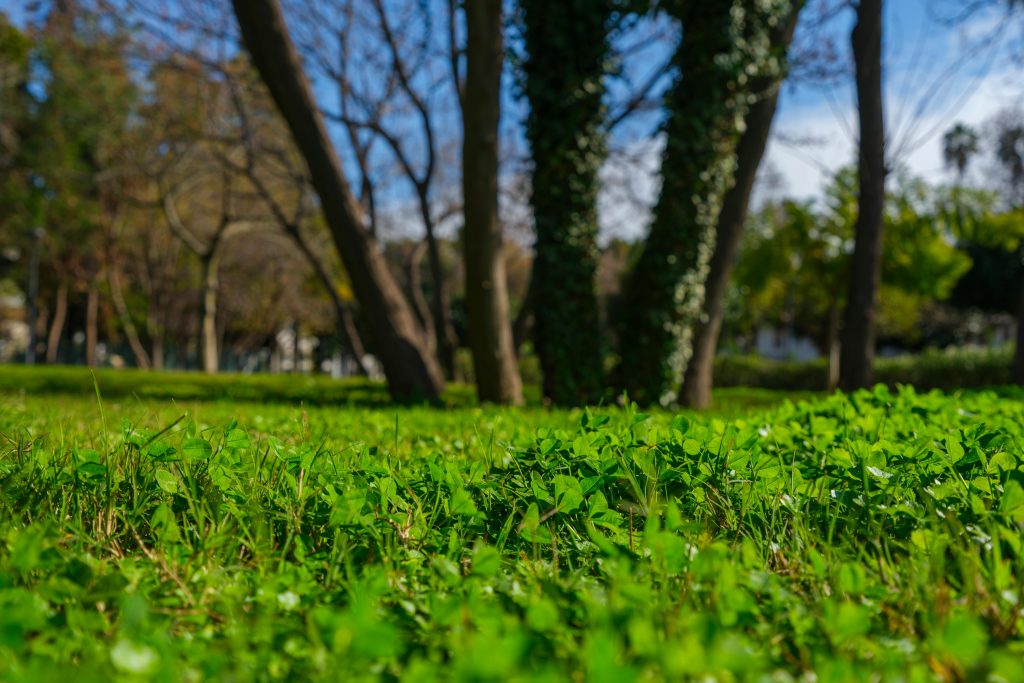
Richmond Park — fifteen minutes by car — was enclosed by Charles I in 1637 as a deer park for hunting. It remains a National Nature Reserve and is home to around 630 red and fallow deer that roam freely through 2,500 acres of ancient woodland and open grassland. The Isabella Plantation, a woodland garden within the park, is worth seeking out in spring. Bushy Park, ten minutes away and less visited than Richmond, is the quieter recommendation — equally beautiful, considerably less crowded, and home to its own herd of deer. The Chestnut Avenue, planted in the 17th century, is one of the finest tree-lined avenues in the country.
2,500 acres of ancient woodland, 630 red and fallow deer roaming freely, and the Isabella Plantation in spring. Go early to have the deer mostly to yourself before the cyclists arrive.
View on map →Less visited than Richmond and all the better for it — its own deer herd, and the 17th-century Chestnut Avenue, one of the finest tree-lined avenues in the country. The quieter, more rewarding find.
View on map →The Thames Pathway
The Thames Pathway starts from The Hermes Hotel’s doorstep and connects Kingston to Richmond, Twickenham, Teddington, and beyond — one of the most beautiful riverside walks in Greater London, and a genuinely useful connection rather than merely a scenic one. The walk to Richmond takes around an hour at a comfortable pace and passes through some of the best-preserved riverside stretches in south-west London.
Kingston town centre — the honest version
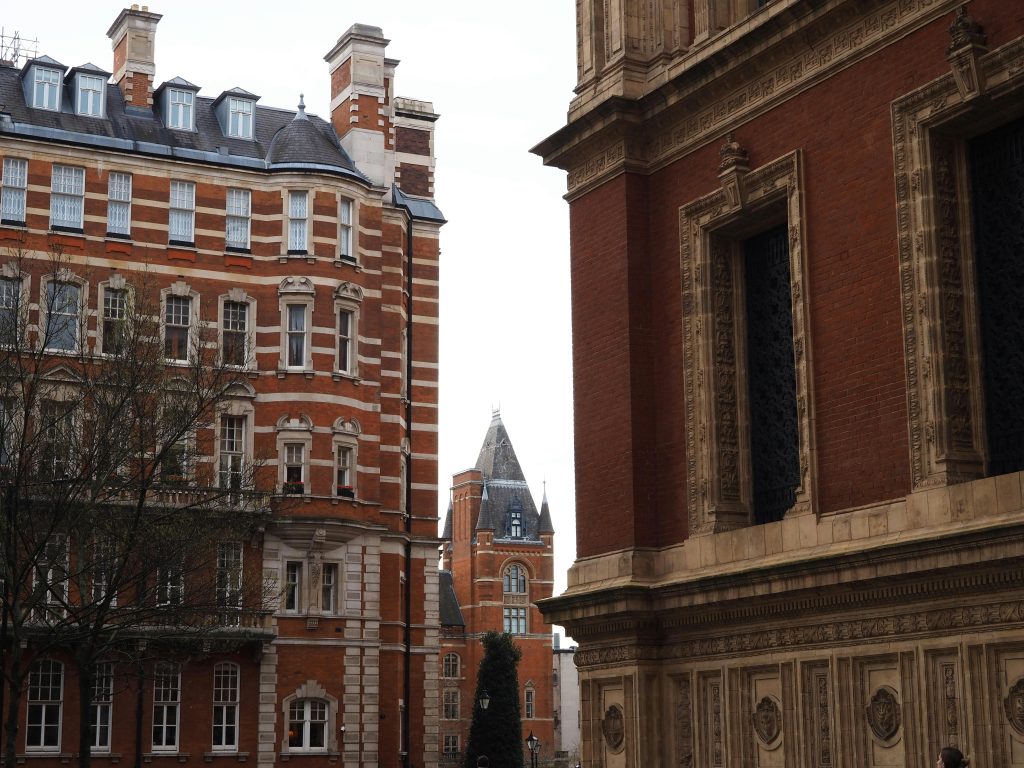
Kingston town centre is a proper working high street rather than a tourist destination — John Lewis, the Bentall Centre, independent boutiques, a market, and the historic Guildhall alongside the Coronation Stone. It’s busier at weekends than most people expect and quieter on weekday mornings than most people find. The market days are worth timing a visit around.
A working high street with John Lewis, the Bentall Centre, independent boutiques, and a market that’s been running for centuries. Busier at weekends, quieter on weekday mornings — the market days are worth timing a visit around.
View on map →The ancient Guildhall next to the stone on which seven Saxon kings were crowned — a ten-second detour from the high street that most visitors walk straight past without knowing what they’re missing.
View on map →Getting around
Kingston station (South Western Railway) is ten minutes on foot from The Hermes — London Waterloo in approximately 30 minutes. Hampton Court station provides direct access to the Palace. The A316 puts Heathrow approximately 45 minutes away by road, making The Hermes one of the more practical riverside hotel stays for guests arriving or departing from the airport.
London Waterloo in approximately 30 minutes — the main connection to central London from The Hermes.
View on map →Direct access to Hampton Court Palace — no car needed. Trains run directly from London Waterloo.
View on map →Kingston to Richmond in around an hour on foot — one of the most beautiful stretches of the Thames in Greater London, starting right outside The Hermes.
View on map →The honest summary
Kingston is a genuinely good place to base yourself for south-west London, and The Hermes Hotel is a genuinely unusual place to stay — a 17th-century Grade II listed building with riverside gardens and Hypnos beds, in a Royal Borough with more historical depth than most visitors expect. The museums and galleries of central London are thirty minutes away if you want them, and the Thames Pathway, Hampton Court, and Richmond Park are on the doorstep if you don’t.
Read more: Where to Eat in Kingston upon Thames and 48 Hours in Kingston: How to Do London Properly. Or view The Hermes Hotel’s rooms.